FOOT REFLEXOLOGY

The Healing Power of Foot Reflexology
At Hands Over Feet Reflexology, we believe in harnessing the healing power of foot reflexology to help our clients achieve optimal wellness. Foot reflexology is a holistic approach to health and well-being that targets specific areas on the feet to stimulate healing responses in corresponding parts of the body.
How Foot Reflexology Works
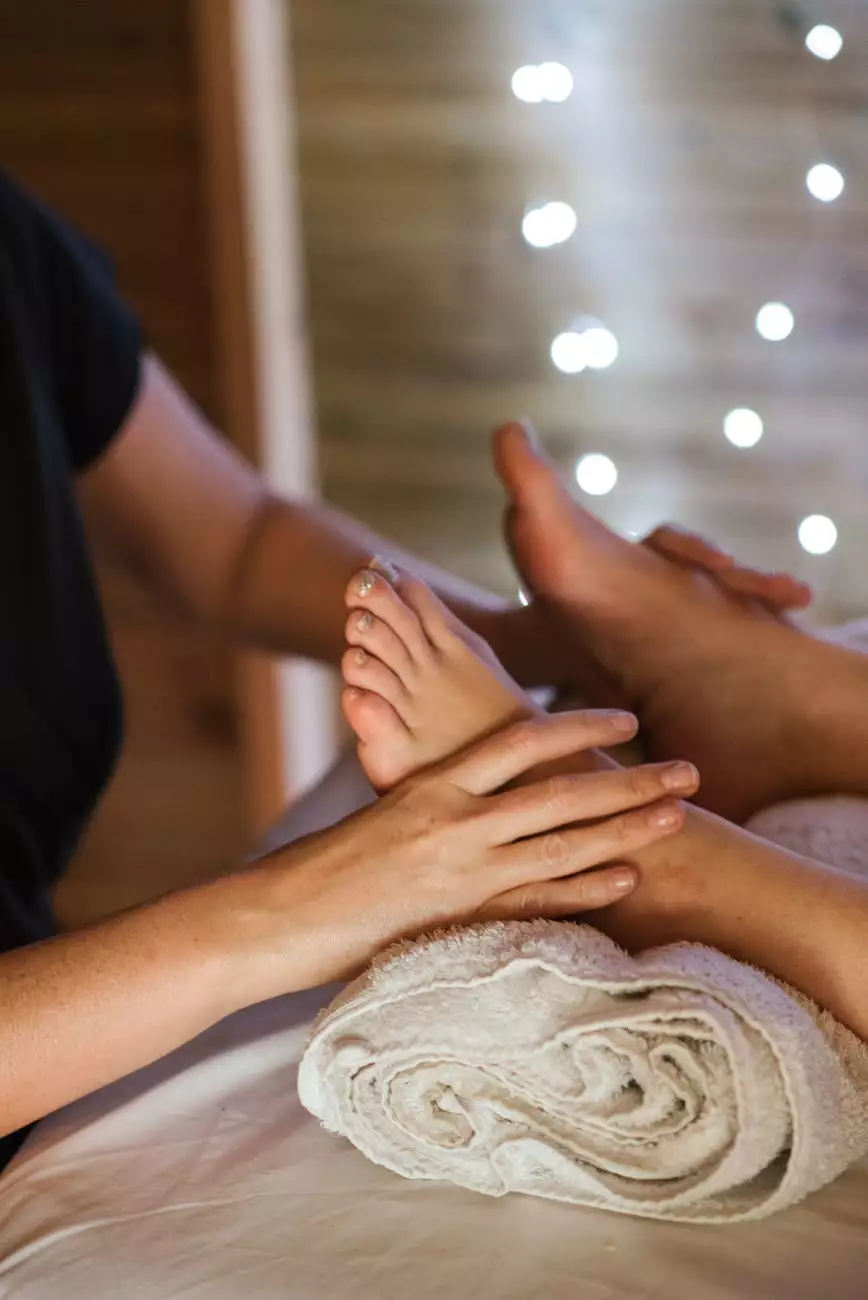
Foot reflexology operates on the principle that various reflex points on the feet are connected to different organs, glands, and body systems. By applying specific techniques to these reflex points, reflexologists can stimulate circulation, release tension, and promote balance and harmony within the body.
The Benefits of Foot Reflexology
Foot reflexology offers a wide range of benefits for both physical and mental well-being. Some of the key benefits include:
- Relaxation: Reflexology techniques help to induce deep relaxation and reduce stress by activating the body's natural relaxation response.
- Pain Relief: Many clients experience relief from various types of pain, such as headaches, back pain, and muscle discomfort, through regular foot reflexology sessions.
- Improved Circulation: By stimulating blood flow to the feet and throughout the body, foot reflexology supports healthy circulation and oxygenation of tissues.
- Enhanced Sleep Quality: Reflexology can help regulate sleep patterns, allowing for more restful and rejuvenating sleep.
- Increased Energy Levels: Regular foot reflexology sessions can boost energy levels and improve overall vitality.
- Detoxification: Foot reflexology assists in the elimination of toxins, promoting a healthy and balanced internal environment.
What to Expect During a Foot Reflexology Session
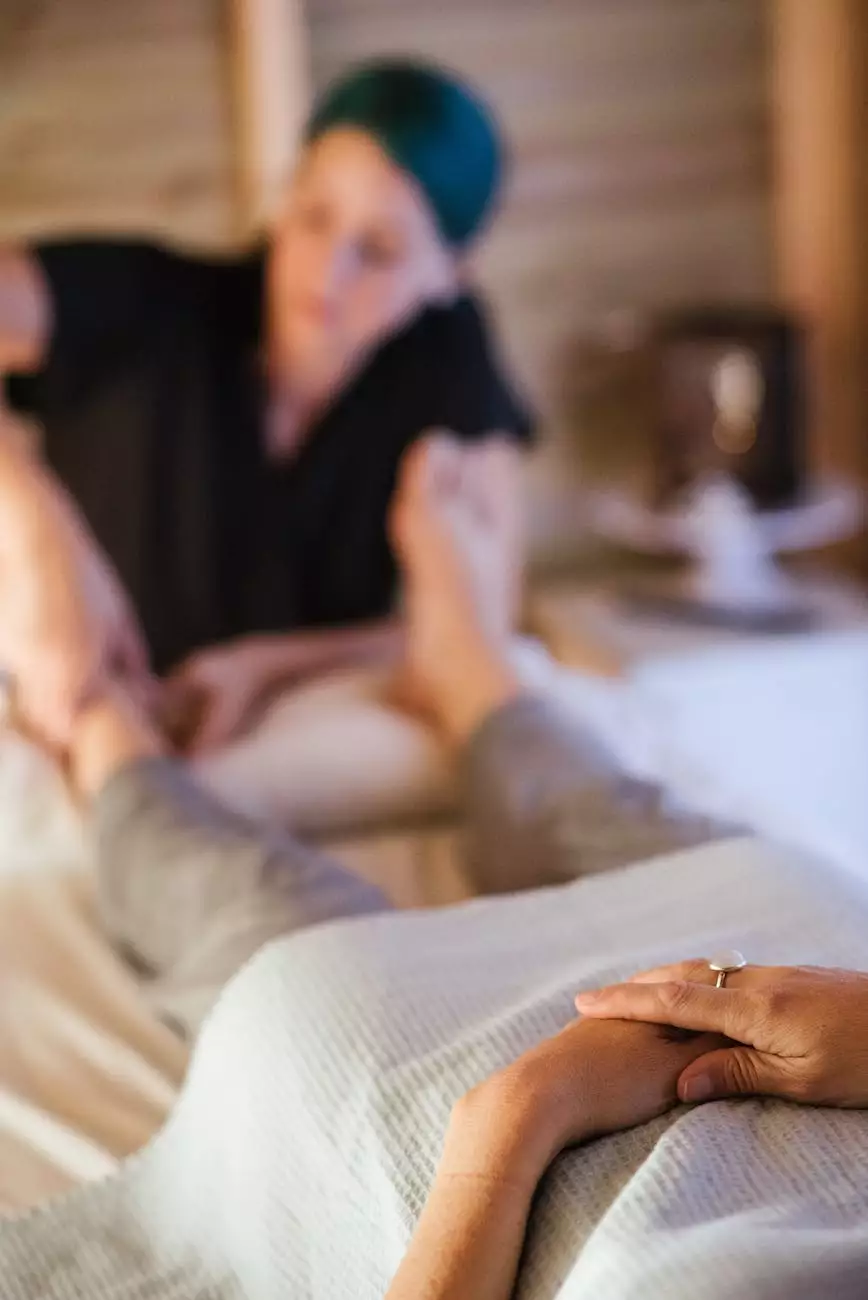
During a foot reflexology session at Hands Over Feet Reflexology, our experienced reflexologist will begin by conducting a thorough consultation to understand your specific needs and health concerns. This initial assessment ensures that the treatment is tailored to address your unique requirements.
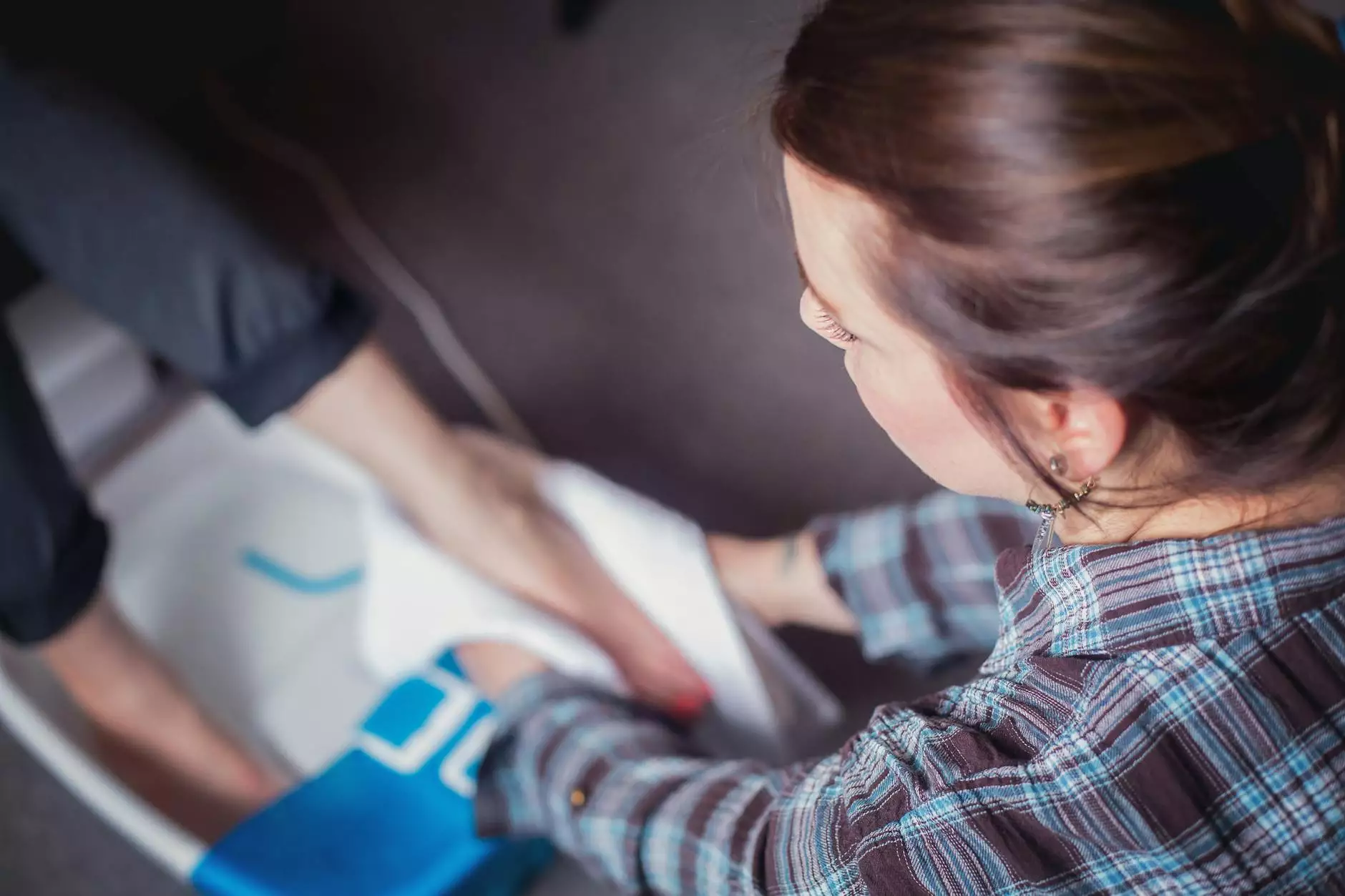
You will then be comfortably seated in a serene environment while our skilled reflexologist applies gentle pressure to reflex points on your feet with their hands and fingers. It is important to note that while reflexology may cause mild discomfort in certain areas, it should not be painful.
Why Choose Hands Over Feet Reflexology?
When it comes to foot reflexology, Hands Over Feet Reflexology stands out as a leader in the industry. Here are some reasons why you should choose us:
Experience and Expertise
With years of experience, our qualified reflexologists have honed their skills and knowledge to deliver exceptional results. They are dedicated to staying updated with the latest techniques and discoveries in the field of reflexology to provide the best possible care.
Personalized Approach
At Hands Over Feet Reflexology, we understand that every individual is unique. That's why we take a personalized approach, tailoring each reflexology session to address your specific needs and concerns. Your well-being is our top priority.
Comfortable and Relaxing Environment
We know that creating the right environment is crucial for a truly therapeutic experience. Our serene and comfortable surroundings provide the perfect ambiance for deep relaxation and healing.
Commitment to Holistic Health
Hands Over Feet Reflexology is dedicated to promoting holistic health and wellness. We believe that true well-being encompasses physical, mental, and emotional aspects of our being. Our reflexology sessions are designed to support your overall wellness.
Book Your Foot Reflexology Session Today!
Embark on a journey to improved health and well-being through the ancient practice of foot reflexology. Contact Hands Over Feet Reflexology today to schedule your personalized reflexology session. Experience the transformative power of reflexology and discover a path to enhanced vitality and relaxation.